How to Describe People in Tamil: Appearance and Personality

How to Describe People in Tamil: A Guide to Appearance and Personality
One of the most rewarding and practical skills in learning any new language is the ability to describe the world around you, and most importantly, the people in it. Being able to talk about a person’s appearance or their character is a fundamental part of everyday conversational Tamil. It allows you to share stories, to describe a new friend you’ve made, and to understand the descriptions that others give to you. For parents, teaching a child the vocabulary for describing people in Tamil is a wonderful way to build their observational skills and their emotional intelligence.
This comprehensive guide will provide you with the essential vocabulary and the simple sentence structures you need to describe people with confidence and nuance. We will cover both the external (appearance vocabulary) and the internal (Tamil words for personality), giving you a rich toolkit for more engaging and descriptive conversations.
Part 1: Describing Physical Appearance (தோற்றம் – Tōṟṟam)
Let’s start with what we see on the outside. The basic structure for describing appearance is often “[Person] [adjective]-āka irukkiṟār,” which means “[Person] is [adjective].””
Height and Build:
- Tall – உயரமான (uyaramāṉa)
Sentence: “அவர் உயரமானவர்.” (Avar uyaramāṉavar.) – “He is a tall person.” or “அவர் உயரமாக இருக்கிறார்.” (Avar uyaramāka irukkiṟār.) – “He is tall.” - Short – குள்ளமான (kuḷḷamāṉa)
Sentence: “அவள் குள்ளமாக இருக்கிறாள்.” (Avaḷ kuḷḷamāka irukkiṟāḷ.) – “She is short.” - Thin / Slim – ஒல்லியான (olliyāṉa)
Sentence: “ராஜா ஒல்லியாக இருக்கிறான்.” (Rājā olliyāka irukkiṟāṉ.) – “Raja is thin.” - Fat / Stout – குண்டான (kuṇṭāṉa)
Sentence: “அந்த மனிதர் குண்டாக இருக்கிறார்.” (Anta maṉitar kuṇṭāka irukkiṟār.) – “That man is stout.” - Strong – வலிமையான (valimaiyāṉa)
Sentence: “அவன் மிகவும் வலிமையானவன்.” (Avaṉ mikavum valimaiyāṉavaṉ.) – “He is very strong.”
Age:
- Young – இளைய (iḷaiya)
Sentence: “அவள் ஒரு இளைய பெண்.” (Avaḷ oru iḷaiya peṇ.) – “She is a young woman.” - Old – வயதான (vayatāṉa)
Sentence: “அவர் ஒரு வயதானவர்.” (Avar oru vayatāṉavar.) – “He is an old person.” - Child – குழந்தை (kuḻantai)
- Boy – சிறுவன் (siṟuvaṉ)
- Girl – சிறுமி (siṟumi)
Face and Hair:
- Beautiful / Handsome – அழகான (aḻakāṉa)
Sentence: “குழந்தை அழகாக இருக்கிறது.” (Kuḻantai aḻakāka irukkiṟatu.) – “The baby is beautiful.” - Long Hair – நீண்ட முடி (nīṇṭa muṭi)
Sentence: “அவளுக்கு நீண்ட முடி இருக்கிறது.” (Avaḷukku nīṇṭa muṭi irukkiṟatu.) – “She has long hair.” - Short Hair – குட்டை முடி (kuṭṭai muṭi)
- Black Hair – கருப்பு முடி (karuppu muṭi)
- Big Eyes – பெரிய கண்கள் (periya kaṇkaḷ)
Sentence: “அவளுடைய கண்கள் மிகவும் பெரியవి.” (Avaḷuṭaiya kaṇkaḷ mikavum periyavi.) – “Her eyes are very big.”
Part 2: Describing Personality and Character (குணம் – Kuṇam)
This is where the conversation gets more interesting. Here is a list of essential Tamil words for personality.
Positive Traits:
- Good – நல்ல (nalla)
Sentence: “அவர் ஒரு நல்ல மனிதர்.” (Avar oru nalla maṉitar.) – “He is a good person.” - Kind / Compassionate – அன்பான (aṉpāṉa) / கருணையுள்ள (karuṇaiyuḷḷa)
Sentence: “என் அம்மா மிகவும் அன்பானவர்.” (Eṉ ammā mikavum aṉpāṉavar.) – “My mother is very kind.” - Intelligent / Smart – புத்திசாலி (putticāli)
Sentence: “என் தங்கை ஒரு புத்திசாலி.” (Eṉ taṅkai oru putticāli.) – “My younger sister is a smart person.” - Brave – தைரியமான (tairiyamāṉa)
Sentence: “அவன் ஒரு தைரியமான சிறுவன்.” (Avaṉ oru tairiyamāṉa ciṟuvaṉ.) – “He is a brave boy.” - Hardworking – கடின உழைப்பாளி (kaṭiṉa uḻaippāḷi)
- Honest – நேர்மையான (nērmaiyāṉa)
- Funny / Comical – வேடிக்கையான (vēṭikkaiyāṉa)
Sentence: “என் நண்பன் மிகவும் வேடிக்கையானவன்.” (Eṉ naṇpaṉ mikavum vēṭikkaiyāṉavaṉ.) – “My friend is very funny.” - Quiet / Calm – அமைதியான (amaitiyāṉa)
Negative Traits:
- Bad – கெட்ட (keṭṭa)
- Lazy – சோம்பேறி (cōmpēṟi)
- Angry – கோபமான (kōpamāṉa)
Sentence: “அவர் ஏன் கோபமாக இருக்கிறார்?” (Avar ēṉ kōpamāka irukkiṟār?) – “Why is he angry?” - Arrogant – திமிர்பிடித்த (timirpiṭitta)
- Talkative – அதிகம் பேசுபவர் (atikam pēcupavar)
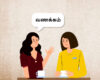
Putting It All Together in a Conversation
Let’s imagine a simple conversation where you are describing a new colleague to a friend.
Friend: “உங்கள் புதிய சக பணியாளர் எப்படி?” (Uṅkaḷ putiya caka paṇiyāḷar eppaṭi?) – “How is your new colleague?”
You: “அவர் பெயர் ரவி. அவர் உயரமாகவும் ஒல்லியாகவும் இருக்கிறார்.” (Avar peyar Ravi. Avar uyaramākavum olliyākavum irukkiṟār.) – “His name is Ravi. He is tall and thin.”
Friend: “அவருடைய குணம் எப்படி?” (Avaruṭaiya kuṇam eppaṭi?) – “How is his personality?”
You: “அவர் மிகவும் நல்லவர். ஒரு புத்திசாலி மற்றும் கடின உழைப்பாளி. மிகவும் அன்பாக பேசுவார்.” (Avar mikavum nallavar. Oru putticāli maṟṟum kaṭiṉa uḻaippāḷi. Mikavum aṉpāka pēcuvār.) – “He is a very good person. A smart and hardworking person. He speaks very kindly.”
Helpful Hints for Descriptive Conversations
- Use “மிகவும்” (mikavum) for “very”: This is an easy way to add emphasis. “மிகவும் உயரமான” (mikavum uyaramāṉa) – “very tall.”
- Use “மற்றும்” (maṟṟum) for “and”: This helps you to string together multiple adjectives.
- Don’t be afraid to ask: If you don’t know the word for a specific trait, just ask! “How do you say ‘generous’ in Tamil?” is a great question to ask a Tamil-speaking friend.
Conclusion: The Language of Observation and Connection
Learning the vocabulary for describing people in Tamil is a major step towards a more fluent and natural level of conversation. It allows you to share your observations, to paint a picture with your words, and to connect with people on a more personal level. This essential appearance vocabulary and these insightful Tamil words for personality are more than just a list to be memorized; they are the tools you need to describe the rich and varied tapestry of human character that you see around you every day. Practice using these words to describe your family, your friends, and even characters in movies, and you will find your conversational Tamil becoming richer and more expressive with every description.